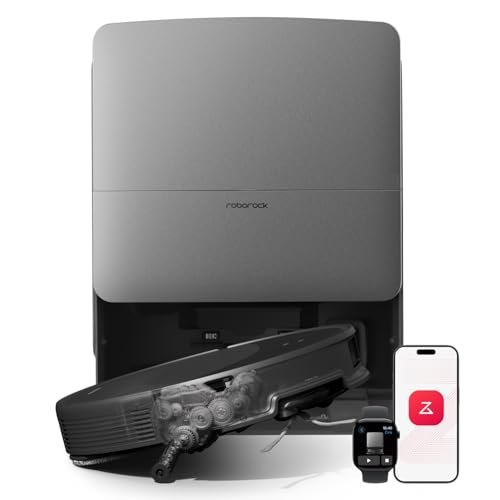
Affiliate Disclosure:Home Vacuum Zone is reader-supported. When you buy through links on our site, we may earn an affiliate commission at no additional cost to you. This does not influence our reviews or recommendations — we only recommend products we genuinely believe in.
Ecovacs Deebot vs Roborock: Which Premium Robot Vacuum Wins in 2026?
You can’t go wrong with either brand. That’s the honest answer, but it’s also useless when you’re spending $1,400 on a robot vacuum and want to know whether you’re buying the right one. So here’s the verdict-first version: the Roborock Saros 20 is the better-engineered machine for most homes, but the Ecovacs Deebot X12 OmniCyclone wins on mopping intelligence and pet-hair handling. Both are 2026 flagships from the two Chinese brands that have effectively taken over the premium robot vacuum category from iRobot, and the differences between them are real, not marketing fluff.
This isn’t a flagship-vs-old-model comparison either. Deebot’s X12 OmniCyclone landed in April 2026, and Roborock’s Saros 20 shipped earlier in the year. Both are current generation. Both are on Amazon. Both will set you back about the same money. The question is which philosophy fits your home.
The Big Differences at a Glance
| Spec | Ecovacs Deebot X12 OmniCyclone | Roborock Saros 20 |
|---|---|---|
| Suction | 22,000 Pa | 36,000 Pa |
| Mop | OZMO Roller 3.0 self-washing | Dual spinning pads, 13N pressure |
| Navigation | AIVI 3D 4.0 (dToF + RGBD) | StarSight 2.0 (3D ToF + LiDAR) |
| Hot water wash | Yes (220V dock heater) | 212°F (100°C) |
| Threshold | TruePass 4-wheel drive | 57mm tested record |
| Robot height | 98mm (3.86 in) | 80mm (3.14 in) |
| Auto-empty | Bagless cyclone, 48 days | Bagged, 65 days |
| Obstacle avoidance | 23/24 objects (Vacuum Wars) | 17/24 objects (Vacuum Wars) |
| Runtime | 200 min | 200 min |
| Amazon price | $1,249 to $1,499 | $1,390 to $1,600 |
Most spec sheet differences land in Roborock’s column. But two of Deebot’s win categories matter a lot in daily life: obstacle avoidance and the bagless dock. We’ll come back to both.
Ecovacs Deebot X12 OmniCyclone
Ecovacs took a different swing with this generation. Where Roborock keeps stacking Pa numbers, Ecovacs built a robot designed to deal with the messes that actually exist in homes, dried pet accidents, sticky kitchen spills, and dust-bag costs that never end.
FocusJet is the headline feature, and it’s genuinely new. Infrared and camera sensors look ahead for dried-on stains, the robot positions itself, then a pressurised spray system pre-treats the spot before the OZMO Roller 3.0 mop catches up. Vacuum Wars gave it above-average dried stain removal in testing. The mop itself is a 10.6-inch roller that spins continuously at 220 RPM, washes itself with fresh water, and lifts 15mm to clear carpets cleanly.
The bagless OmniCyclone dock is the other genuine differentiator. Cyclone separation means no dust bags to buy, ever. You empty a sealed dust cup every few weeks instead. There’s still hot water mop washing, dirty water tank auto-cleaning at 5,000 RPM, and PowerBoost charging that restores 13% in three minutes for mid-clean top-ups.
Where it gives ground is on raw cleaning. Vacuum Wars called carpet performance average, and crevice pickup below average. The 250mL onboard dustbin is small, so the robot dashes back to the dock more often than the Saros 20 does. None of those are deal-breakers, but they explain why this isn’t the strongest carpet cleaner you can buy.
Pet hair, on the other hand, is its territory. ZeroTangle 4.0 directs debris straight into the airflow path, and in the standard 7-inch hair tangle test, the X12 came out with zero wrap. Vacuum Wars logged 100% pet hair removal. If you’ve got long-haired pets and you’re tired of cutting hair off brush rolls, this matters.
Roborock Saros 20
Roborock’s 2026 flagship is the engineering-led counterpart. The headline spec is 36,000 Pa from a HyperForce digital motor, which sits well above anything else on the consumer market. That’s not just a marketing number, Vacuum Wars logged 89% embedded sand removal from carpet, which is meaningfully above the category average.
But the real innovation is physical. The AdaptiLift Chassis 3.0 actively lifts the wheels to climb thresholds, and in Vacuum Wars’ testing it crossed a 57mm raised barrier, setting a new record for the category. Roborock claims a two-tier maximum of 88mm. If your home has raised room transitions, hardwood-to-tile thresholds, or sunken living rooms, this is the only flagship that won’t get stuck.
The chassis is also just 3.14 inches tall, the slimmest in the premium segment. It slides under sofas, bed frames, and TV stands that block almost every other robot vacuum. Combined with the threshold climbing, the result is a robot that physically reaches more of your floor space than its rivals.
Mopping is dual spinning pads at 200 RPM with up to 13N adaptive pressure, scored 116 versus the 94 testing average on stain removal. The dock heats wash water to 212°F (full boiling point), which is the highest temperature any consumer dock offers. Combined with warm-air drying at 131°F, the mop pads stay clean and don’t develop the sour smell that plagues lower-end mopping robots.
Where it gives ground: 17 of 24 obstacles avoided in Vacuum Wars testing, behind the Deebot’s 23. Battery efficiency is slightly below the category norm at 1.44 minutes per 1% charge, which translates to roughly 1,038 square feet per cycle. And the 260mL onboard dustbin is small, so pet-heavy homes will trigger frequent dock returns.
Suction & Cleaning Performance
The Saros 20’s 36,000 Pa rating buys real performance, not just a bigger number. Vacuum Wars measured 89% embedded sand pickup from medium-pile carpet and 88% removal of flattened pet hair, both above category averages. The DuoDivide brush hit a perfect score in the 7-inch hair tangle test.
The Deebot X12 at 22,000 Pa is meaningfully weaker on deep carpet. Vacuum Wars labelled its carpet cleaning average. For hard floors and surface debris pickup, both robots clear at similar rates, the gap shows up specifically when you have medium or high pile carpet and want a robot to actually pull embedded grit out of it.
So if you have wall-to-wall carpet and want one machine to handle it, the Saros 20 is the better tool. If your home is mostly hard floors with area rugs, both are fine and the choice comes down to other factors.
One more thing on cleaning: Deebot’s 250mL dustbin and Roborock’s 260mL dustbin are both small. Premium docks compensate by auto-emptying, but you’ll notice the robot dashing back to base more often than older models with 400mL bins. In pet-heavy homes, expect multiple dock returns per clean.
Mopping Systems
This is where Ecovacs took the most interesting design swing. The OZMO Roller 3.0 is a continuously-rotating roller mop, not the dual spinning pads that Roborock and most competitors use. The roller washes itself in real time with fresh water, then squeezes dirty water into a separate tank. Combined with FocusJet stain pre-treatment, the result is a mop system that actively cleans rather than smearing dirty water around.
Roborock’s dual spinning mops at 13N pressure are still very good at stain removal, 116 in testing versus the 94 average, and the 212°F dock wash keeps the pads clean. But the pads themselves don’t refresh during a clean, so on a long mopping job they’re working with progressively dirtier water until the next dock visit.
For homes with sticky kitchen messes, toddler spills, or pet accidents that have dried, the Deebot is the better mop. For general daily wet cleaning of a moderately dirty hard floor, the Roborock does it more powerfully thanks to the pressure and heat.
Both lift their mops over carpet automatically. Both let you remove and machine-wash the mopping component when it eventually wears out. Both have automatic detergent dispensing from the dock.
Navigation & Obstacle Avoidance
This category surprised us. Roborock’s StarSight 2.0 navigation recognises over 300 object types and is the more sophisticated system on paper. But in Vacuum Wars’ standardised 24-object obstacle course, the Deebot’s AIVI 3D 4.0 outperformed it 23 to 17. That’s a real gap.
What’s likely happening is that Roborock prioritised navigation efficiency and mapping precision, where Deebot prioritised raw object recognition. In practice, the Deebot is less likely to bump or run over a stray sock, charging cable, or shoe. The Roborock is more likely to traverse a complex floor plan efficiently and remember the layout.
For homes with kids, pets, or general clutter on the floor, the Deebot is the safer pick. For larger homes with clean floors where you care about coverage efficiency, the Roborock wins. Neither is a clear winner here, and your home decides.
Both use LiDAR for primary mapping. Both have multi-floor map support, no-go zones, and zone-based cleaning priorities. Both work with Alexa and Google Assistant.
Dock Systems
The two docks reflect the two philosophies. Roborock’s dock is the most feature-complete in the category, auto-empty (bagged, 65 days), 212°F hot water mop wash, 131°F warm-air drying, automatic detergent dispensing, intelligent dirt detection that triggers re-mopping, and a self-cleaning dirty water tank.
Ecovacs’ bagless OmniCyclone dock matches every feature except one. There’s no replaceable dust bag, the cyclone separator catches debris in a dust cup you empty manually every few weeks. That removes the ongoing cost of dock bags entirely. There’s still hot water mop washing, fresh-flow power washing with dual squeegees, and a 5,000 RPM propeller in the dirty water tank for self-cleaning.
The bagless approach is divisive. People who hate buying replacement dock bags love it. People who like sealed bag disposal for allergy reasons or for keeping pet hair contained will prefer Roborock’s traditional design. It’s a real choice rather than an objective winner.
One practical note: the Roborock’s bag lasts 65 days, the Deebot’s cyclone holds debris for 48 days. So you’re emptying the Ecovacs slightly more often, but you’re not buying bags. Over a year of use, the cost savings on bags are meaningful, particularly if you have pets that shed.
Stepping Down: Mid-Tier Alternatives
If $1,300 to $1,600 is more than you want to spend on a robot vacuum, both brands have credible mid-tier options that still ship and still work well. They’re the previous-generation flagships rather than the current models, but the engineering’s still solid.
Ecovacs Deebot T20 Omni
The previous Ecovacs flagship, still on Amazon and still a strong machine. 6,000 Pa suction is lower than the X12’s 22,000, but it’s plenty for hard floors and short-pile carpet. AIVI obstacle avoidance, OZMO Turbo mopping with hot water wash, auto-empty dock. The dock isn’t bagless, so you’ll buy replacement bags, and the mop is a flat pad rather than the roller system on the X12. Around $700 to $900 most of the year, sometimes lower during sales. If you want a Deebot but don’t want flagship money, this is the pick.
Roborock Q Revo
Roborock’s budget pick with a solid dock. 5,500 Pa suction, basic auto-empty without mop washing or hot water, dual spinning mops with lift capability. No fancy navigation, no AdaptiLift threshold climbing, no anti-tangle brushes, just a competent robot vacuum and mop with a self-emptying base. Usually sits around $500 to $700. For a single-story home with hard floors and minimal obstacles, it does the job for half the price of the Saros 20.
Neither mid-tier model competes with the flagships on cleaning power, mop sophistication, or dock automation. But both are honest, current-availability options that cost less. See our best robot vacuum guide for broader picks across the price spectrum, or our Dreame vs Roborock comparison if you’re cross-shopping Roborock against a third brand.
Which Should You Buy?
Buy the Roborock Saros 20 if: you have wall-to-wall carpet, raised thresholds between rooms, low-clearance furniture that blocks other robots, or you want the highest-rated mop system in the category. The 36,000 Pa suction and AdaptiLift chassis make it the strongest cleaning robot you can buy in May 2026.
Buy the Ecovacs Deebot X12 OmniCyclone if: you have pets that shed long hair, dried-on stains you want pre-treated rather than smeared, clutter on the floor that needs careful obstacle avoidance, or you’re tired of buying replacement dust bags. The FocusJet system, ZeroTangle 4.0 brush, and bagless cyclone dock are real differentiators.
Skip both and step down a tier if: $1,300+ feels heavy for a robot vacuum, or your floors are simple enough that flagship features won’t pay back. The mid-tier picks above do 80% of the job for half the money.
If you’re new to robot vacuums entirely and want to understand whether they’re worth the money before committing, our guide to whether robotic vacuums are worth the money covers the practical case. For brand-vs-brand decisions beyond these two, the Deebot vs Roomba comparison covers Ecovacs against iRobot’s current lineup.
Both of these machines will clean your floors well. The Roborock cleans more powerfully, the Ecovacs cleans more intelligently. Pick the one that matches the actual mess in your house.
Head-to-Head Comparison
Detailed Reviews
Roborock Saros 20 Robot Vacuum and Mop
Best overall flagshipRoborock's 2026 flagship leans on raw power and physical engineering, the strongest suction in any robot vacuum, a chassis that climbs door thresholds the competition can't, and boiling-water mop washing that genuinely cleans.
What We Like
- 36000 Pa suction is the highest in any consumer robot vacuum, with measurable carpet-cleaning gains (89% sand pickup in Vacuum Wars testing)
- AdaptiLift Chassis 3.0 sets a real-world threshold record at 57mm (claimed 88mm two-tier), so it doesn't get stuck on raised room transitions
- 3.14-inch ultra-slim body slides under sofas and beds that block almost every other flagship
- Dual spinning mops with 13N adaptive pressure scored 116 vs the 94 testing average on stain removal, with 212°F boiling-water wash and warm-air dry
- DuoDivide brush hit a perfect score on Vacuum Wars' 7-inch hair tangle test
What We Don't
- Battery efficiency is slightly below category norm (1.44 min per 1% vs 1.56 avg), translating to roughly 1,038 sq ft per charge
- 260mL onboard dustbin is small; pet-heavy homes will trigger frequent dock returns
- Navigation efficiency is average rather than category-leading
- Premium price tier; the cheaper Saros 10R covers most of the same use cases for less
Ecovacs Deebot X12 OmniCyclone Robot Vacuum and Mop
Best for pet hair and stainsEcovacs' 2026 flagship pushes mopping innovation further than anyone else with FocusJet stain pre-treatment and a cyclone dock that ditches dust bags entirely, though carpet cleaning is merely average for the money.
What We Like
- FocusJet pre-spray loosens dried stains before the roller mop arrives, lifting dirt instead of smearing it
- OZMO Roller 3.0 self-washing mop runs continuously at 220 RPM and lifts 15mm to clear carpets cleanly
- Bagless cyclone dock removes the ongoing cost of replacement dust bags
- 100% pet hair pickup with ZeroTangle 4.0, no hair wrap on the main brush in Vacuum Wars' 7-inch hair test
- PowerBoost charging restores 13% of battery in three minutes, useful for mid-clean top-ups
What We Don't
- Only average deep carpet cleaning performance versus other premium flagships
- Crevice and edge pickup tested below average
- 250mL onboard dustbin is small; expect frequent dock empties in pet-heavy homes
- Premium price and a young accessory ecosystem (replacement rollers, filters) lock you into Ecovacs consumables
Ecovacs Deebot T20 Omni
Mid-tier DeebotThe Ecovacs Deebot T20 Omni stands out with hot-water mop washing at 131 degrees F, 6000Pa suction, and a full all-in-one base station with auto-empty and mop drying at a lower price than flagship models. It is best for buyers who want advanced self-maintaining mopping and vacuuming without paying top-tier pricing for features like the X2 Omni.
What We Like
- Auto mop washing and drying in base station
- Hot water mop washing at 131°F for better cleaning
- Strong 6,000 Pa suction power
- Good value with full auto-empty and mop maintenance included
What We Don't
- Smaller base station water tanks (4L each) than premium models
- Learning curve for app features and settings
- Only 9mm mop lift may not clear thick carpets
- Base station requires regular maintenance
Roborock Q Revo
Budget RoborockThe Roborock Q Revo brings premium features to a mid-range price point. It's the perfect entry point into self-cleaning robot mops without breaking the bank.
What We Like
- Excellent balance of features and price point
- Auto mop washing and drying at dock
- 5,500Pa strong suction for deep cleaning
- Precise LiDAR navigation with reactive obstacle avoidance
What We Don't
- No hot water mop washing feature
- Mop lifting only 7mm (may not clear high carpets)
- Lacks advanced AI camera-based obstacle recognition
Sources & Research
Continue Reading
Explore more comparisons content or browse our other categories.
Frequently Asked Questions
- Is Ecovacs or Roborock better in 2026?
- Roborock has the edge for raw cleaning power and engineering, with 36,000 Pa suction, a 3.14-inch ultra-slim chassis, and the AdaptiLift system that climbs raised thresholds the Deebot can't reach. Ecovacs wins on mopping innovation, with FocusJet stain pre-treatment, a self-washing roller mop, and a bagless cyclone dock that ends the dust-bag subscription. Both sit in the same price tier around $1,300 to $1,600. Pick Roborock for performance and slim navigation, Deebot for pet hair and stain-heavy homes.
- Which has stronger suction, Deebot X12 or Roborock Saros 20?
- Roborock Saros 20 wins on paper at 36,000 Pa versus the Deebot X12 OmniCyclone's 22,000 Pa. In Vacuum Wars testing, that translated to 89% embedded sand removal from carpet for the Saros 20 versus average carpet performance for the X12. Real-world suction is more than a Pa number, but for deep carpet cleaning the Roborock has a measurable lead.
- Can either robot vacuum clean dried-on stains?
- The Deebot X12 OmniCyclone is the only model with dedicated stain pre-treatment. FocusJet uses infrared and camera sensors to detect dried-on spots, then sprays pressurised water to soften them before the OZMO Roller 3.0 mop arrives. The Roborock Saros 20 uses hot water at 212°F to clean its mop, but it doesn't pre-treat stains on your floor; it just mops them with hot, clean water. For sticky kitchen messes and dried pet accidents, FocusJet is a genuine advantage.
- Are bagless robot vacuum docks worth it?
- If you're tired of buying replacement dust bags every few months, yes. The Deebot X12 OmniCyclone's bagless cyclone dock separates debris in a sealed dust cup that you empty manually, eliminating the recurring cost of dock bags. The trade-off is a slightly messier empty when you do it, and you can't store debris in a sealed bag for sensitive disposal. The Roborock Saros 20 uses a traditional bag-based auto-empty that lasts up to 65 days per bag.
Written By
Home Vacuum Zone
Our team researches, tests, and reviews vacuum cleaners to help you make confident buying decisions.
Related Articles
Eufy vs Roomba: Best Robot Vacuum Brand Comparison (2026)
Compare Eufy vs Roomba robot vacuums in 2026. Features, pricing, navigation, performance, and which brand offers better value for your smart home.
Pet Vacuum vs Regular Vacuum: Which Is Right for You? (2026 Guide)
Learn the key differences between pet vacuums and regular vacuums. Discover which type you need based on your pets, flooring, and cleaning needs.
Robot Vacuum vs Regular Vacuum (2026): Do You Need Both?
Compare robot vacuums vs traditional vacuums. Learn the pros and cons of each and whether you need one, the other, or both for your home.